A practical look at how Agency 102 helps businesses plan, produce, and intentionally use video in marketing.
Video has quickly become one of the most powerful tools in modern marketing, and the numbers back it up. Today, 89% of businesses use video as a marketing tool, and 95% of marketers say it plays an important role in their overall strategy.
It’s not just popular—it’s effective, too. 82% of video marketers report that video gives them a good ROI. It builds trust faster than text, helps explain complex ideas clearly, and creates a stronger connection with your audience.
But for most businesses, video also feels overwhelming.
What should the video be about? Who writes the script? How often should you publish? Where does it even go once it’s finished?
That’s where working with a video marketing agency makes the difference.
At Agency 102, we guide clients through the entire process, from strategy and scripting to production, editing, and distribution. Everything is coordinated under one roof, including our trusted video and photo production partner, Drumm Digital Media. The result is a streamlined experience and video content that supports your larger marketing goals.
Let’s walk through how our video marketing strategy process works and how we help clients make video a sustainable, effective part of their marketing.
Why Video Marketing Matters for Businesses
Before jumping into production, we start with a simple question: What role should video play in your marketing?
Businesses often know they “should be doing video,” but without a clear strategy, it can quickly turn into random clips that don’t serve a purpose.
A thoughtful video marketing strategy connects video content directly to business goals. Video can help:
- Build brand awareness and credibility
- Educate clients or customers
- Support lead generation and conversion
- Strengthen relationships with existing clients
- Improve SEO and visibility online
When done well, using video in marketing becomes an ongoing asset and not just a one-time project.
Step 1: Clarifying the Goal of Your Video
Every video project we lead begins with a conversation about goals.
What do you want this video to accomplish?
Common client objectives include:
- Introducing the brand and building trust
- Explaining services or processes
- Answering frequently asked client questions
- Supporting social media engagement
- Generating new leads
- Creating thought leadership
Once we understand the goal, we can recommend the types of video marketing that will be the most effective.
Step 2: Choosing the Right Type of Video Content
Not all videos serve the same purpose. A brand story video will look very different from a social media clip or a podcast series.
Part of our job as your marketing partner is helping you choose the right video format.
Here are some of the most common video formats we recommend:
Brand Videos
A brand video introduces your company, your mission, and the people behind the business. These videos are typically longer and more polished, designed to live on your website homepage or About page.
They help new audiences quickly understand:
- Who you are
- What you do
- Why your business exists
For many clients, this becomes the foundation of their video marketing strategy. We often recommend starting with a brand video before jumping into ongoing video content, so new prospects have a clear introduction to your business if they encounter your other marketing videos first.
Maryland Primary Care Physicians is a great example of this strategy in action. Before launching their ongoing microvideo content, we developed a brand video that clearly communicates who they are and how they serve their community. That foundational video now supports the shorter content being shared across their marketing channels.
Video Podcast Series
Podcast-style video content is one of the most sustainable ways to create consistent video.
In this format, we help clients:
- Develop episode topics
- Outline prompts or questions
- Plan a series structure
- Create a podcast name that aligns with the brand and theme
The result is long-form content that can later be repurposed into shorter clips for social media, newsletters, and blogs. You can even upload the audio-only version to podcast platforms like Apple Podcasts.
It’s a smart option for businesses that want to position themselves as experts in their industry.
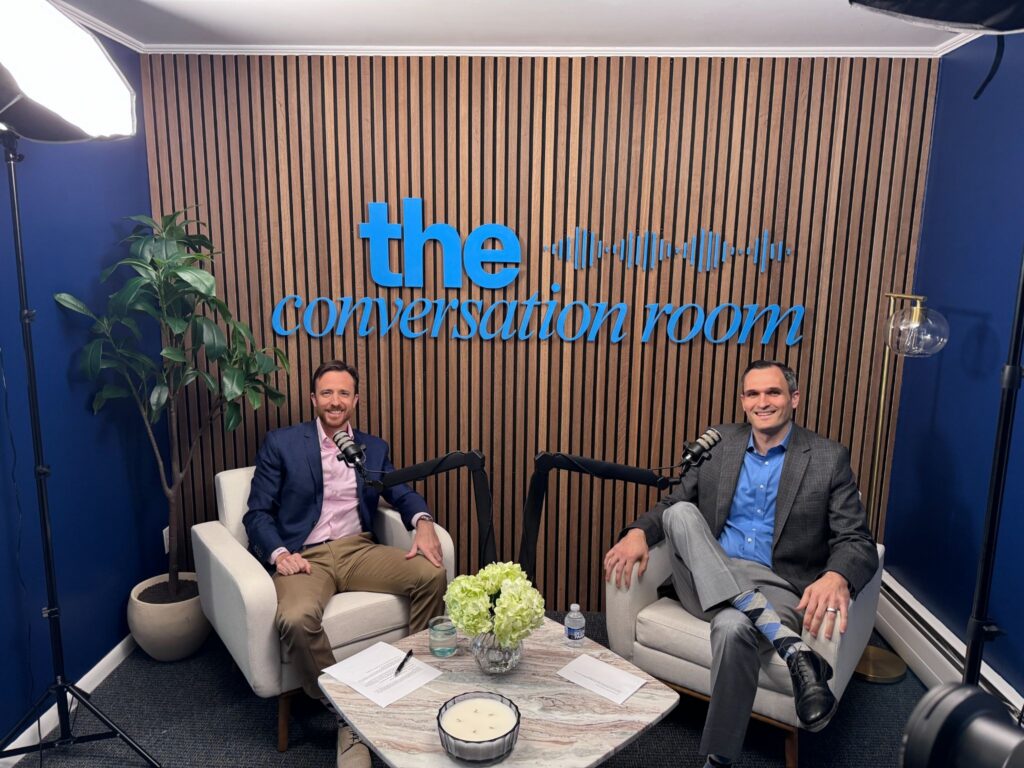
Armstrong Dixon, a Baltimore-based wealth planning firm and Agency 102 client, recently took this approach. Their team came to us looking for support launching a new podcast series—from developing the series name to mapping out the content strategy and episode topics.
They even transformed an unused office space into a dedicated recording studio called The Conversation Room. Now, with everything in place, we’re getting ready to launch the first episode.
Microcontent for Social Media
Short-form videos are ideal for social media platforms like LinkedIn, Instagram, and YouTube Shorts where businesses and brands have the opportunity to bring value to viewers, whether that’s through education, information, or entertainment.
These clips might include:
- Quick tips
- Industry insights
- Frequently asked questions
- Behind-the-scenes moments
They’re short, focused, and designed to keep your brand consistently visible.
This is an example of micro video content for our client, The Kelly Group. In under a minute, their team breaks down common financial planning myths while highlighting how they support their clients. On LinkedIn, content like this is a great way to engage new audiences while continuing to nurture existing ones. In fact, this video alone generated 32 likes and strong engagement from their network.
Step 3: Content Development and Script Writing
Once we define the format, our team develops the content.
This step is where many video projects stall for businesses, but it’s where we step in.
Depending on the type of video, we can support with:
- Full script writing for brand videos
- Topic planning and prompts for podcast-style content
- Short scripts or prompts for microcontent
- Messaging guidance to keep content aligned with brand voice
- Optimizing video content for today’s search landscape, ensuring they attract your target audience and increase visibility in AI engines
For clients in regulated industries, we can also prepare scripts ahead of time for compliance review and approval.
Our goal is simple: when filming day arrives, everyone knows exactly what they need to say.
Step 4: Production Planning and Preparation
Great video production starts long before the camera turns on.
Once scripts are finalized, we prepare the logistics.
In collaboration with a video partner like Drumm Digital Media, our teams coordinate:
- Filming schedules
- Speaker preparation
- Production timelines
- Shot lists and recording plans
We send clients a clear production schedule so everyone involved understands:
- Where they need to be
- When filming starts
- What they’ll be discussing
If helpful, our video production partner Drumm Digital Media can also bring a teleprompter to ensure speakers stay comfortable and confident on camera.
Preparation removes the stress from the filming day.
Step 5: Video Production Day
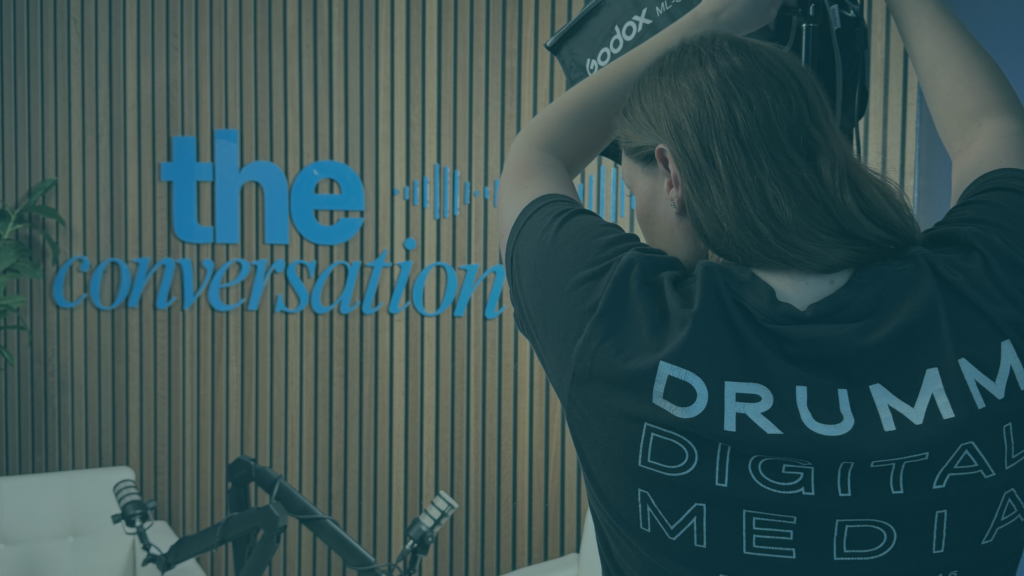
On the day of filming, the Drumm Digital Media production team arrives early to set up the environment.
That includes:
- Lighting
- Audio equipment
- Camera placement
- Background setup
- Technical testing
Once everything is ready, filming begins.
Because we’ve already handled strategy, scripts, and preparation, the actual recording process tends to run smoothly. Clients can focus on sharing their expertise while the production team handles the technical side.
Step 6: Editing and Post-Production
After filming, the content moves into post-production.
This is where the raw footage becomes polished marketing content.
Editing typically includes:
- Cutting and sequencing footage
- Adding graphics or branding elements
- Sound and color adjustments
- Formatting for different platforms
Our team reviews initial drafts from Drumm Digital Media before sharing them with the client, ensuring the final version aligns with the original strategy.
We gather feedback, make final tweaks, and prepare the videos for launch.
Step 7: Launching and Using Video in Marketing
Creating a great video is only half the job.
The real value comes from using video in marketing effectively.
Once a video is finalized, we help clients integrate it into their larger marketing strategy. That may include:
- Publishing on YouTube for SEO and AI visibility
- Incorporating videos into social media content calendars
- Embedding videos on website pages
- Repurposing clips into shorter social media content
- Supporting email or campaign marketing
When we have an ongoing partnership with a client, video becomes part of their broader content ecosystem rather than a standalone piece of media.
A Fully Coordinated Video Marketing Partnership
One of the biggest challenges businesses face with video marketing is managing multiple vendors.
Strategy from one place. Production from another. Marketing somewhere else.
At Agency 102, we simplify that process.
We manage the full partnership with Drumm Digital Media, allowing clients to work with a single team that oversees:
- Strategy
- Messaging
- Scripts and content planning
- Production coordination
- Editing oversight
- Marketing integration
Everything is aligned, and everything stays focused on the original goal.
Making Video Marketing Sustainable
Whether it’s a quarterly brand video, a podcast series, or ongoing microcontent for social media, our goal is to help clients create a video strategy they can sustain long-term.
When video becomes a regular part of your marketing mix, it builds momentum, strengthens credibility, and keeps your brand visible.
And with the right process in place, it doesn’t have to feel complicated.
If you’re exploring how video could fit into your marketing, Agency 102 can help you build the strategy, manage production, and make sure the content actually works for your business.