FEMA has officially opened the FY2025 application period for Assistance to Firefighters Grants (AFG), Staffing for Adequate Fire and Emergency Response (SAFER) grants, and Fire Prevention & Safety (FP&S) grants. Applications opened May 19 and close June 22 at 5 p.m. ET.
For many volunteer and combination fire departments, this funding opportunity comes at a critical time.
Departments across the country continue to face ongoing recruitment and retention challenges, shrinking volunteer pipelines, increased call volumes, and growing demands on existing personnel. While many agencies immediately think of staffing or equipment when they hear “SAFER grant,” recruitment and retention initiatives are also an important component of the program.
That means departments may have opportunities to strengthen:
- Volunteer recruitment efforts
- Community outreach
- Retention initiatives
- Recruitment marketing
- Recruitment-focused websites
- Digital advertising
- Onboarding communications
- Training and engagement initiatives
For departments already exploring ways to improve firefighter recruitment, this year’s SAFER funding cycle could create an opportunity to think more strategically about long-term sustainability.
What is the FEMA SAFER Grant?
The Staffing for Adequate Fire and Emergency Response (SAFER) Grant Program was created to help fire departments increase or maintain the number of trained frontline firefighters available in their communities. According to FEMA, SAFER grants support both firefighter hiring and volunteer firefighter recruitment and retention activities.
While career staffing support often receives the most attention, recruitment and retention funding can be especially valuable for volunteer and combination departments working to:
- Increase volunteer applications
- Improve awareness in the community
- Reduce recruitment bottlenecks
- Strengthen onboarding processes
- Improve long-term retention
Departments can review official guidance and eligibility information directly through FEMA’s fire grant portal.
Why Recruitment Challenges Continue to Grow
Volunteer recruitment is not what it was 10 or 20 years ago.
Many departments are operating in communities where:
- Residents may not realize the department is volunteer-based
- Younger audiences consume information differently
- Local organizations compete for limited volunteer time
- Awareness alone is no longer enough to drive applications
Departments that once relied primarily on word-of-mouth recruitment are increasingly finding that they need more intentional communication strategies.
That does not mean departments need flashy marketing campaigns. It means departments need clearer messaging, stronger community visibility, and easier pathways for interested volunteers to learn more and apply.
We explored many of these ongoing challenges in our blog, “How to Recruit and Retain Volunteer Firefighters & EMTs,” including the importance of meeting potential volunteers where they already spend time online.
What Recruitment and Retention Efforts Could SAFER Funding Potentially Support?
Every department’s needs are different, but recruitment and retention initiatives often extend beyond a single social media post or recruitment flyer.
Departments may consider initiatives such as:
- Recruitment-focused website improvements (check out our recent website launch for our client, Little Silver EMS, for an example).
- Volunteer interest forms and lead capture systems
- Community awareness campaigns
- Paid digital advertising
- Recruitment videos and storytelling
- Volunteer onboarding communications
- Recruitment event promotion
- Internal retention initiatives
- Public education and outreach efforts
For some departments, the biggest issue is awareness. For others, it is follow-up, onboarding, or maintaining engagement after someone expresses interest.
A strong recruitment strategy looks at the full volunteer journey — from first impression to application to active membership.
Departments interested in modernizing recruitment efforts can also explore our blog on “Marketing for Emergency Services,” which outlines practical communication strategies departments can implement to improve community engagement and visibility.
Recruitment is More Than Social Media
One of the biggest misconceptions departments face is the belief that recruitment marketing simply means posting more on Facebook.
In reality, successful firefighter recruitment often requires a broader communications strategy that includes:
- Website accessibility
- Search visibility
- Mobile-friendly application pathways
- Consistent community messaging
- Clear explanations of volunteer opportunities
- Fast follow-up systems
- Community storytelling
- Recruitment landing pages
- Search engine optimization (SEO)
Search visibility has become increasingly important for emergency services organizations. When potential volunteers search terms like:
- “Volunteer firefighter opportunities near me”
- “How to become a firefighter”
- “Volunteer EMT programs”
- “Fire departments accepting volunteers”
departments need a digital presence that helps them appear in those searches.
In our blog, “Proven SEO Strategies to Overcome the Volunteer Recruitment Crisis in Emergency Services,” we discuss how search optimization can support long-term recruitment visibility and help departments reach audiences actively looking for volunteer opportunities.
Common Recruitment Challenges Departments Face
Many departments are not struggling because they lack community support. Often, the challenge is that recruitment systems have not evolved alongside community behavior.
Common issues include:
- Outdated recruitment pages
- No clear volunteer application process
- Slow response times to inquiries
- Inconsistent communication
- Minimal search visibility
- Limited community storytelling
- Lack of follow-up after events or inquiries
Even highly respected departments can struggle to recruit if potential volunteers are unsure:
- how to join,
- who to contact,
- what training involves,
- or whether they would fit in.
Strong recruitment initiatives help remove uncertainty and create clearer pathways for engagement.
The Importance of Measuring Recruitment Efforts
One of the biggest advantages of modern recruitment strategies is the ability to measure what is working.
Departments can track:
- Website traffic
- Volunteer inquiry submissions
- Recruitment event engagement
- Social media reach
- Advertising performance
- Geographic trends
- Community awareness metrics
This type of data can help departments better understand where interest is coming from and where outreach efforts may need improvement.
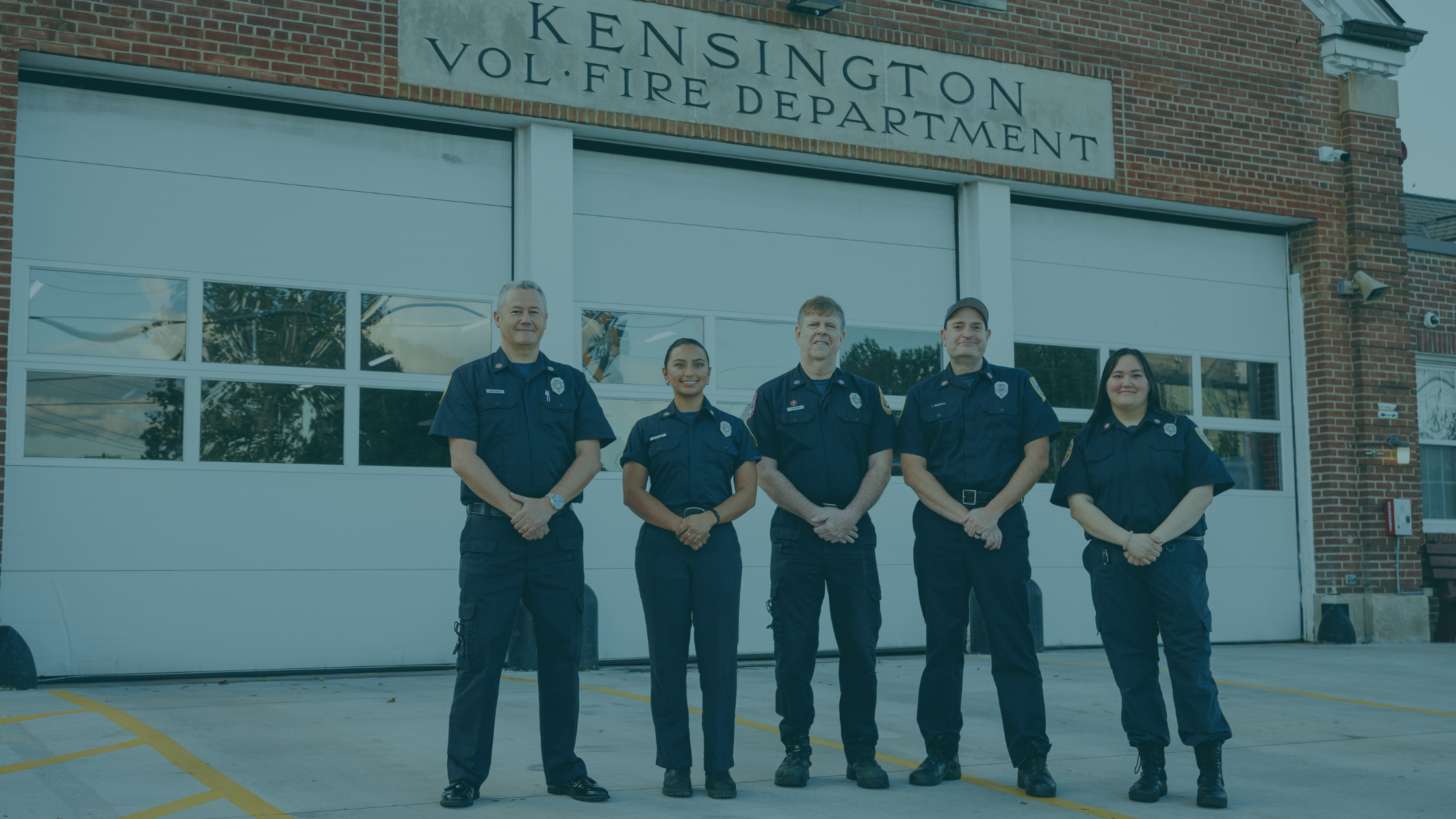
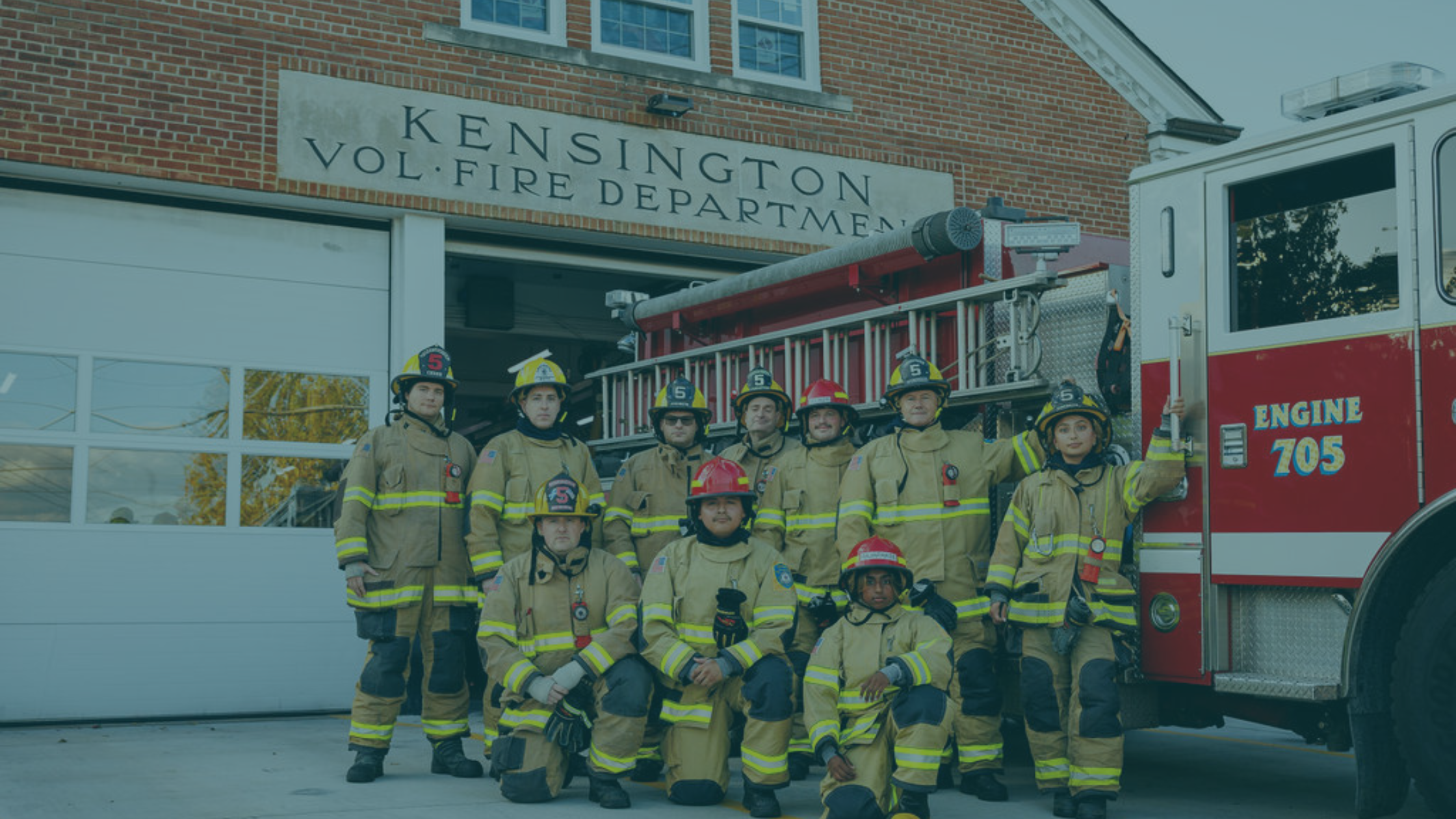
For example, during one firefighter recruitment initiative supported by Agency 102, Kensington Volunteer Fire Deparment generated:
- 91 volunteer leads
- More than 562,000 social impressions
- Increased website engagement
- Significant growth in recruitment visibility
The goal is not vanity metrics. The goal is to build sustainable recruitment pipelines over time.
Questions Departments Should Ask Before Applying
Before developing recruitment or retention initiatives tied to SAFER goals, departments should consider:
- What recruitment challenges are we trying to solve?
- Does our community understand we are volunteer-based?
- Is our website helping or hurting recruitment efforts?
- How quickly do we respond to volunteer inquiries?
- What does onboarding currently look like?
- Are we retaining volunteers after recruitment classes?
- How are we measuring success?
The answers to these questions can help shape stronger recruitment strategies and more sustainable long-term planning.
Thinking Beyond the SAFER Grant Deadline
The FY2025 SAFER application window closes June 22, but recruitment challenges will continue long after the deadline passes.
Departments that begin building stronger communication systems now may be better positioned for:
- future recruitment efforts,
- long-term retention,
- improved community awareness,
- and stronger operational sustainability.
At Agency 102, we work with emergency services organizations on recruitment communications, community outreach, volunteer engagement, digital strategy, and firefighter recruitment visibility initiatives.
Departments looking for additional guidance can also review our blog, “Fire Department Recruitment Grant Next Steps,” which outlines how to begin turning recruitment goals into actionable plans once funding discussions begin.
For departments exploring SAFER-funded recruitment or retention initiatives, now is an important time to evaluate current recruitment systems and identify where stronger communication strategies may help support future growth.