Marketing for Fire and EMS departments comes with a unique set of challenges. Departments are expected to recruit and retain volunteers, stay visible in their communities, and communicate clearly, often with limited time, limited budget, and leadership teams wearing multiple hats.
At Agency 102, we work closely with volunteer and combination Fire and EMS departments across the country. And no matter the size or location, we hear many of the same questions come up again and again:
- What actually works?
- Where should we focus first?
- How do we measure success when we are not selling anything?
This blog brings those questions together in one place. And instead of giving you theory, we’re sharing what we’ve learned firsthand, partnering with departments, navigating real recruitment and retention challenges.
You’ll hear directly from our Fire and EMS marketing specialists, Meagan Smith and Claire Foster, who have spent years working alongside volunteer and combination departments.
Meet Our First Responder Marketing Specialists
Meagan and Claire specialize in marketing for Fire and EMS organizations. They’ve partnered with volunteer and combination departments to build recruitment campaigns, develop unique brand messaging, improve local visibility, and create sustainable marketing systems that actually support operations.
They’ve seen what works and what doesn’t, helping departments turn uncertainty into growth.


First, Let’s Level Set: Marketing for Fire and EMS Departments Is Different
Marketing for first responders isn’t transactional. Fire and EMS departments aren’t selling a product or promoting a service; they’re asking people to commit their time, energy, and skills in service of their community. And that distinction changes everything.
At the same time, the landscape has shifted. According to national data, the number of volunteer firefighters has declined by roughly 12 percent in the past five years. In many areas, more than half of fire companies rely on volunteers, yet 79 percent of the population doesn’t know whether their local department needs them.
Departments must speak to an entire community while also connecting with individuals who may be considering a serious volunteer role. Trust, transparency, and clarity matter far more than flashy messaging or high-volume promotion.
As our Fire and EMS specialist Meagan Smith explains:
“Volunteer departments aren’t competing for attention. They’re competing for time. That means marketing has to be honest about the commitment, not just inspirational about the mission.”
This is where many departments may feel stuck. They want to inspire people, but they also don’t want to scare them away or misrepresent the reality of the role. In our experience, the departments that communicate expectations clearly tend to attract volunteers who are better prepared and more likely to stay.
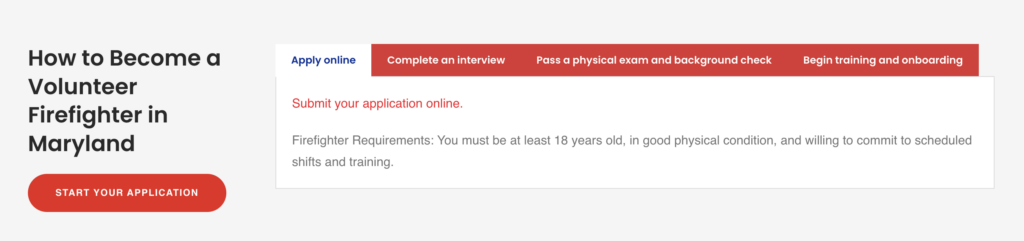
Effective marketing in this space starts with respecting that reality and building communication around it.
What Marketing Channels Actually Work for Fire and EMS Departments?
Not every platform or tactic makes sense for every department. That said, a few channels consistently play an important role when used intentionally.
Social Media as a Community Touchpoint
For many Fire and EMS departments, Facebook continues to be one of the most effective platforms for connecting with the community and staying visible year-round. It aligns naturally with how communities already share information, follow organizations, and stay informed locally.
Departments use social media to share updates, promote events, highlight members, and show what training and community involvement actually look like. This steady presence matters just as much as recruitment-focused posts.
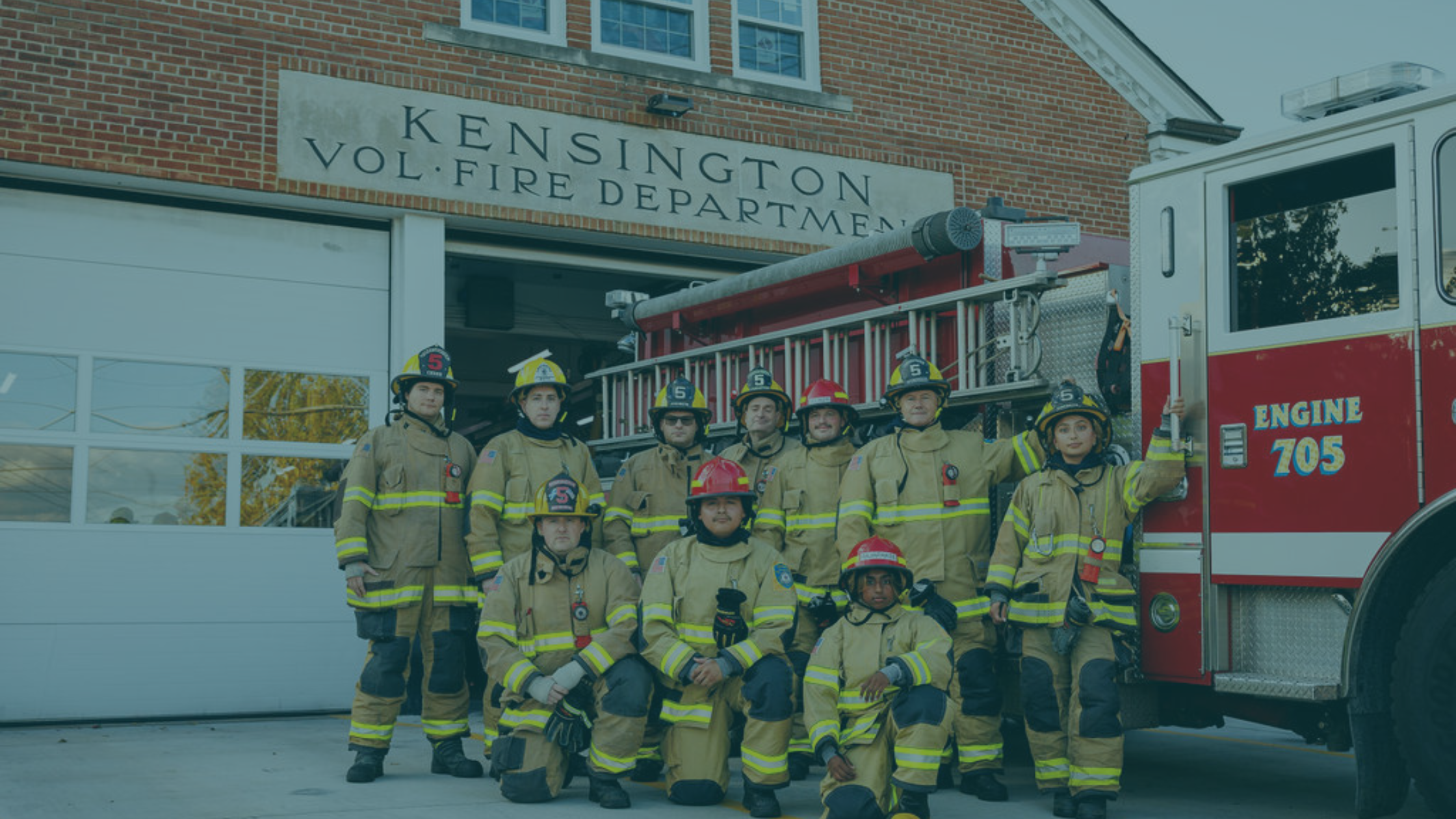
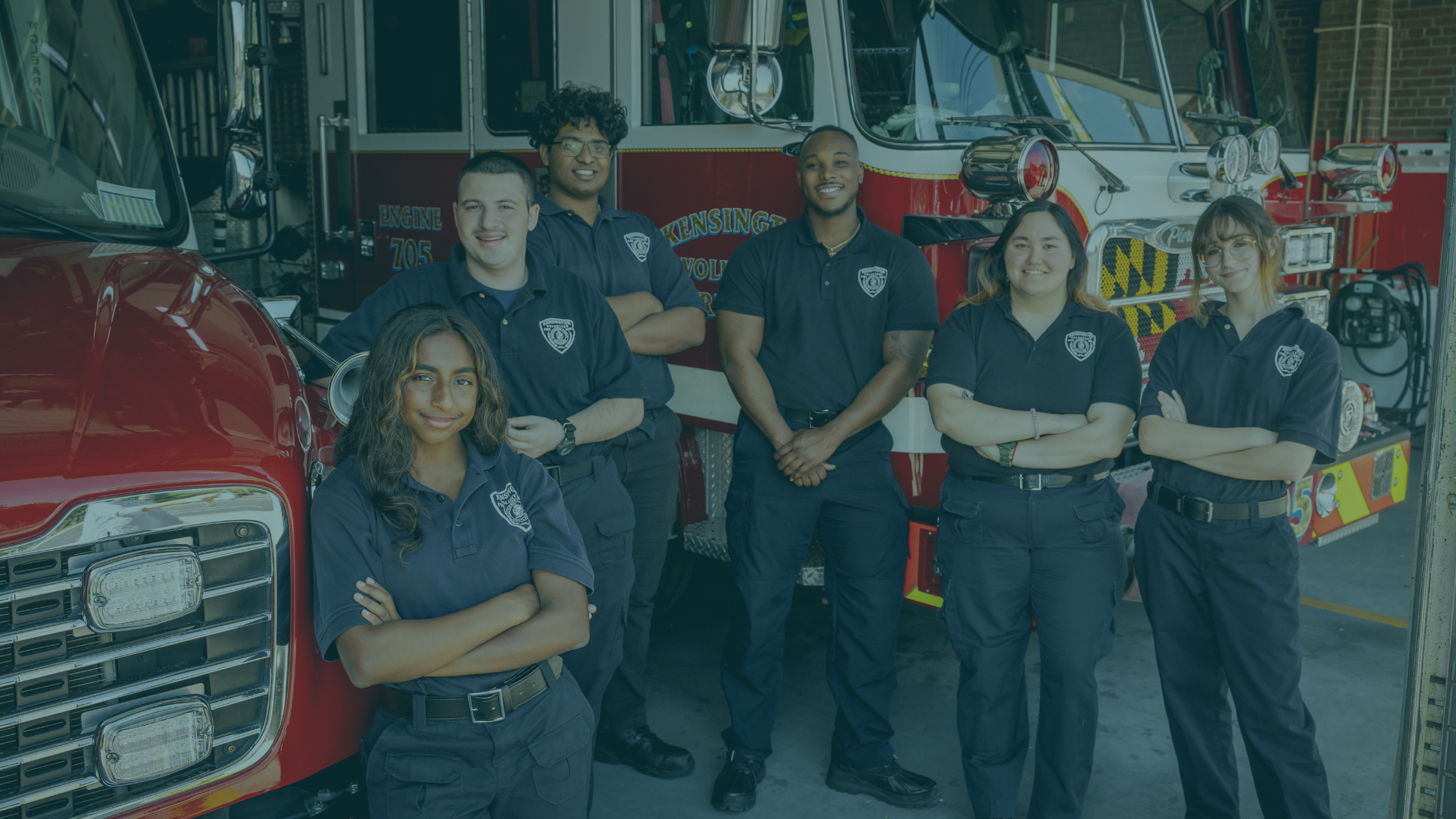
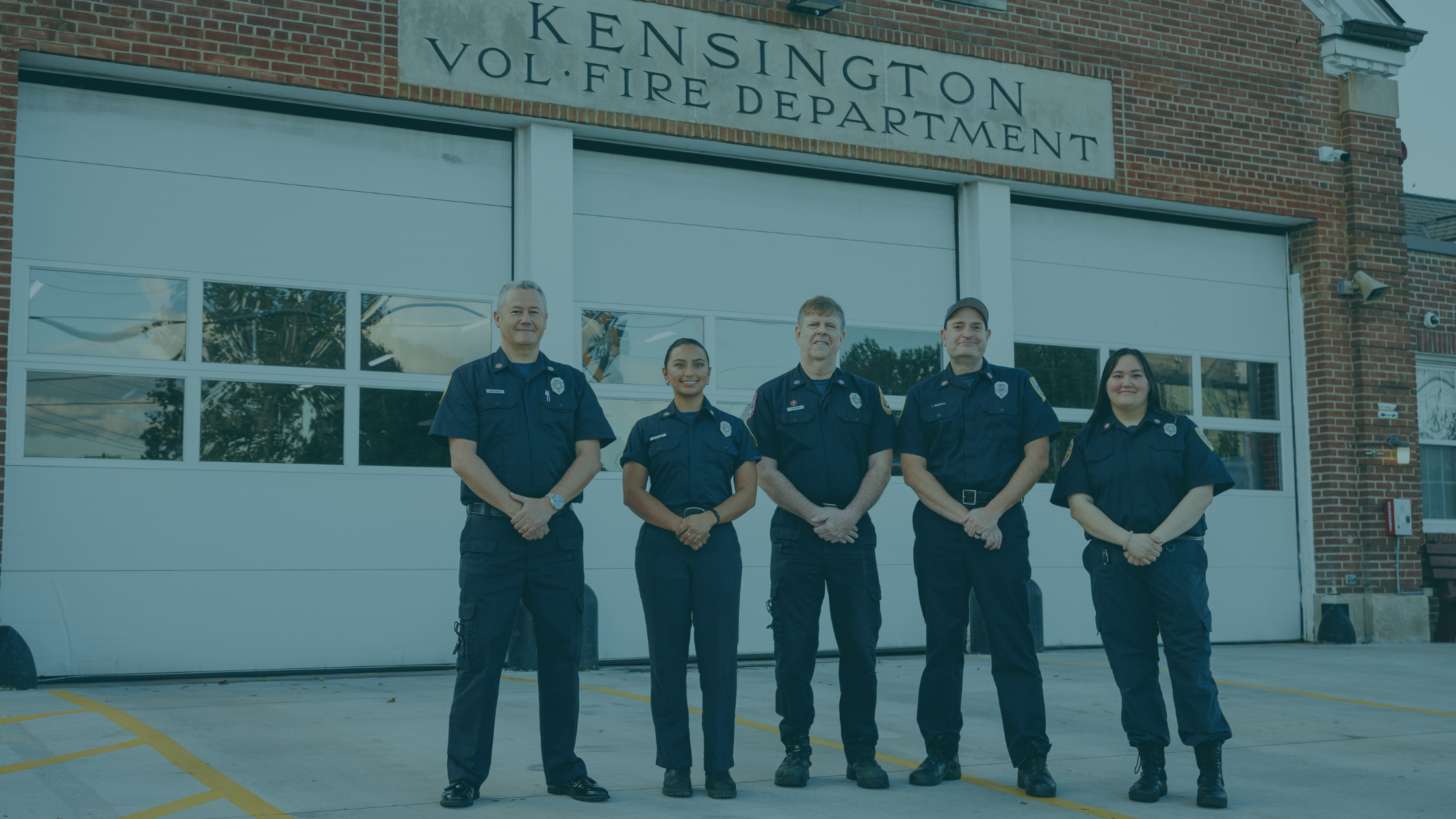
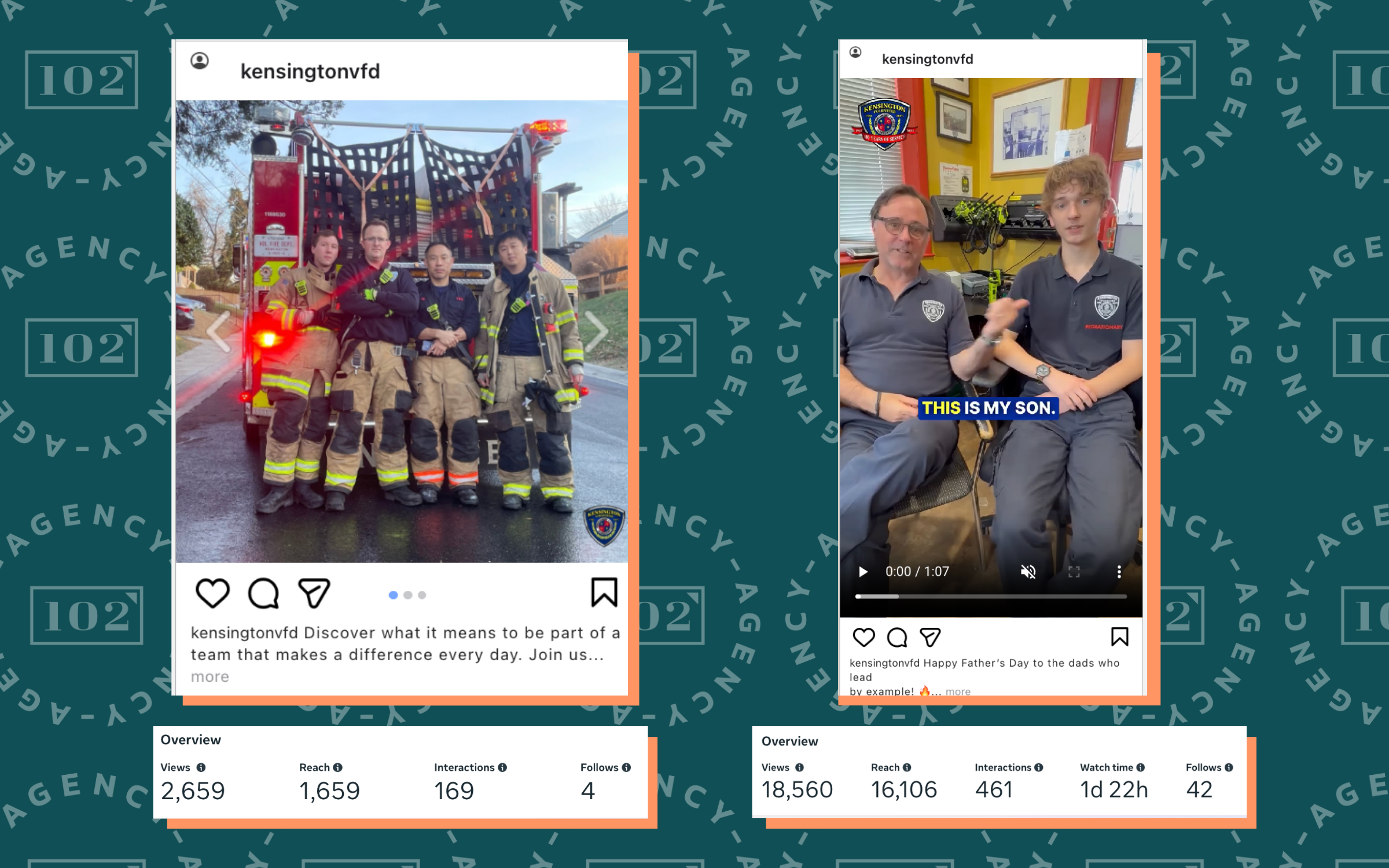
We partnered with the Kensington Volunteer Fire Department and generated over 200 high-quality volunteer leads and expanded social reach to more than 28,000 community members in just 30 days by focusing on clear messaging and consistent storytelling.
When we look at real department data, the pattern is clear: people respond to people.
In a recent campaign with KVFD, a behind-the-scenes Father’s Day Reel featuring a volunteer and his son reached over 18,000 people and generated 42 new followers. A more traditional informational post during the same period reached just over 1,600 people and generated 4 new followers.
Both posts had value. But the human story significantly outperformed the static education piece. Volunteer recruitment doesn’t start with a list of requirements. It starts with connection.
Your Website as a Recruitment Resource
A department’s website is often one of the first places a potential volunteer goes to learn more about membership opportunities. In fact, research shows that it takes just 0.05 seconds for a user to form an opinion about your site. When information is outdated, hard to find, or overly technical, interest can drop quickly.
Fire and EMS specialist Claire Foster shares:
“Most departments don’t realize how much confusion costs them. If someone has to work too hard to understand the role or next steps, they usually won’t stick around long enough to ask.”
Departments that clearly explain expectations, training requirements, and what volunteering actually looks like tend to see stronger engagement. We’ve heard directly from new members who said detailed website content played a key role in their decision to take the next step.
At a minimum, a recruitment-focused website should clearly answer a few key questions:
- What does this department do?
- What does volunteering involve?
- How do I get started?
- Who can I contact if I have questions?
Your website doesn’t need to be complicated. In fact, it shouldn’t be. What it does need to be is informative, current, and easy to navigate for someone who may be completely new to the fire or EMS world.
Community Partnerships and Local Presence
Marketing for first responders extends beyond digital channels. Community events, partnerships with local businesses, school involvement, and public-facing initiatives all contribute to building visibility and trust.
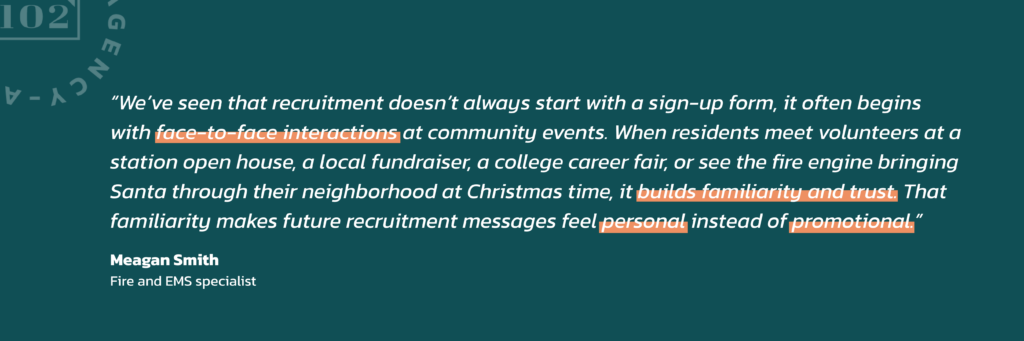
These efforts reinforce the department’s role in the community and keep awareness strong even when recruitment isn’t front and center. For many departments, these community touchpoints are where initial interest begins.
Recruitment Marketing vs. Retention Marketing: What’s the Difference?
Recruitment and retention are closely connected, but they serve different purposes both in the departments and in how they’re marketed (more on that in our recent blog on how to recruit and retain at your department).
- Recruitment marketing focuses on awareness and interest. It helps people understand what the department does, what roles are available, and whether volunteering fits into their lives.
- Retention marketing supports people after they join. It reinforces belonging, communication, and long-term commitment.
One important theme we see across departments is that retention often begins during recruitment. When expectations are unclear or softened too much, volunteers may feel unprepared once they are in the role.
For example, a department might promote the mission and camaraderie of volunteering, but avoid talking about overnight shifts, required training hours, or the emotional demands of emergency response. That can lead to someone signing up with good intentions, only to realize a few months in that the commitment is far greater than they expected. When that gap between expectation and reality appears, burnout and drop-off often follow.
Being upfront about time commitments, training requirements, and the realities of the work helps attract people who are better aligned with the role and more likely to stay. Transparency doesn’t reduce interest but actually improves fit. Applicants who move forward do so with clear eyes, which leads to stronger engagement, better morale, and more sustainable membership over time.
How Does Local SEO Work For Fire and EMS Visibility?
Local visibility plays a meaningful role in how Fire and EMS departments are perceived by their communities. When someone searches for their local fire department, EMS services, or volunteer opportunities, what they find matters.
A clear website, accurate contact information, and an active Google Business Profile all help reinforce legitimacy and accessibility. Local SEO isn’t about trends or technical jargon. It is about making sure your department shows up clearly and accurately when the community looks for information.
If someone searches for ‘volunteer opportunities near me’ or wants to understand how to get involved, that moment matters. Departments that are easy to find and easy to understand tend to build trust more quickly. If people can’t find you or they don’t understand what you do, they’ll look elsewhere, simply put.
For organizations that rely on community support, donations, and volunteer participation, local visibility is part of the foundation.
What Common Digital Marketing Mistakes Do Fire Departments Make?
Across Fire and EMS organizations, a few challenges tend to surface repeatedly.
Some departments rely heavily on technical language that feels intimidating to someone unfamiliar with the field. Others focus primarily on equipment or apparatus while missing opportunities to highlight the people behind the department.
Websites are another common pain point. Some are too sparse to be helpful, while others overwhelm visitors with unorganized information. In both cases, potential volunteers are left with unanswered questions.
Clear communication and human-focused storytelling make a measurable difference. When people can picture themselves getting involved, they’re far more likely to take the next step.
How Should Fire and EMS Departments Measure Marketing Success?
Because Fire and EMS departments are not selling a product, marketing success should be measured differently. Instead of focusing on revenue, departments should track indicators that reflect awareness, clarity, and long-term engagement.
Here is how we typically think about it:
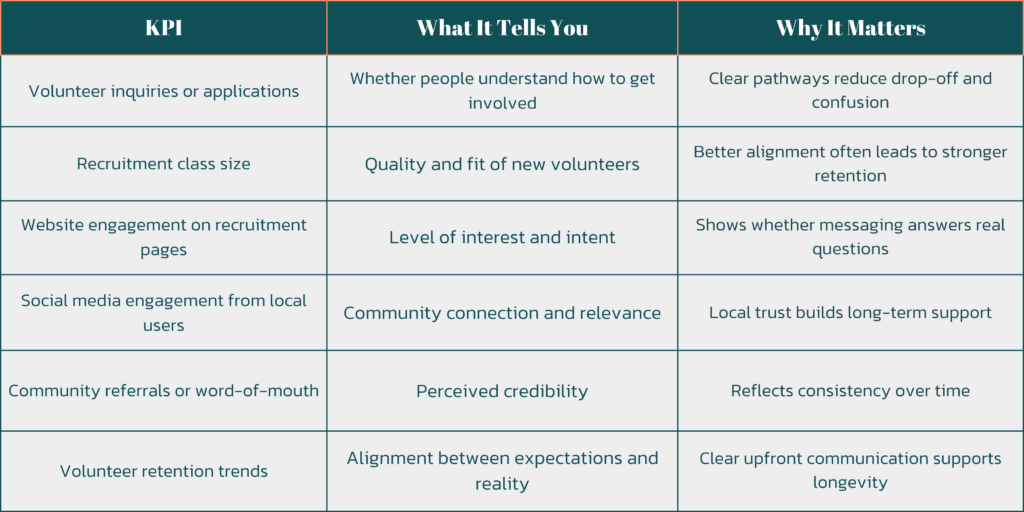
Rather than chasing immediate spikes, departments that invest in consistent, clear marketing tend to see gradual improvement year over year. This long-term approach is often more sustainable for volunteer-based organizations.
Where Should Departments Start If Working With A Limited Time or Budget?
For departments with limited capacity, the goal isn’t to tackle everything at once. Rather, focus on the areas that create the most clarity and momentum.
Establishing a consistent presence on one primary platform, maintaining clear website content, and ensuring local visibility through tools like Google Business Profile can create a strong foundation.
Depth matters more than breadth. A few channels done well will always outperform scattered effort. It also allows departments to communicate more clearly and consistently without stretching their teams too thin.
A More Intentional Approach to Marketing for First Responders
Marketing for Fire and EMS departments is ultimately about clarity, consistency, and respect for the mission. When communication is honest and accessible, it supports stronger recruitment, better retention, and deeper community trust.
At Agency 102, we approach first responder marketing with that responsibility in mind. We help departments build visibility and engagement in ways that align with the realities of the work and the people behind it.
Interested in learning more about how marketing can support your department? Explore our services or get in touch with our team today.