At Agency 102, we work with Fire and EMS departments to improve how they recruit, retain, and engage volunteers, especially in a time when attention is short and expectations are high. Nationwide, the number of volunteer firefighters has dropped by nearly 12% over the past two decades, despite call volumes increasing by more than 200%. Departments are being asked to do more with fewer hands, making smart recruitment strategy more essential than ever.
This volunteer recruitment and retention guide is built from real interviews with new volunteer firefighters and EMS members in 2025. We break down what’s working, what’s not, and how departments can use recruitment marketing, local SEO, and strategic communication to build a stronger pipeline of dedicated volunteers.
What Drives Volunteers to Join
One of the clearest takeaways from our interviews: most new volunteers were not recruited through paid ads or job boards. Their first interaction or touch point with a volunteer opportunity was from seeing and hearing about the department in ways that felt familiar and local.
Here’s how recruits first discovered their department:
- Station signage and visible presence in the neighborhood
- Personal referrals from friends or family
- Localized, relatable social media content
Key insight: Community visibility outperforms paid promotion, especially when first nurturing a volunteer prospect. People don’t sign up to volunteer automatically because of a campaign slogan. They do it because they’ve seen you show up consistently: in their town, at local events, or in their own network.
Practical next step: Evaluate how your department shows up offline and online. If someone drives past your station or finds your Instagram page, will they know what you’re about in five seconds or less? And, get those creative LED sign messages ready!

Why Volunteers Say Yes
When asked what ultimately convinced them to commit, new volunteers mentioned three things: connection, culture, and proximity.
What mattered most:
- A welcoming team dynamic and strong peer support
- Respect for the department’s professionalism and leadership
- Feeling like they could contribute to something that mattered
- Living or working near the station
One recruit summed it up this way: “They treated me like family before I ever filled out the form.”
Key insight: Volunteers aren’t only joining for perks or recognition (although that helps!). They’re joining because the culture feels real, and they believe their time will be valued. That’s what builds long-term commitment.
Common Barriers to Volunteering
Even highly motivated candidates hesitated before signing up. Understanding those hesitations (and addressing them early) makes a measurable difference.
Top concerns shared during interviews:
- Uncertainty about the time commitment
- Worry about balancing shifts with work, family, or school
- Lack of prior training or medical experience
- Not knowing what to expect in the first 30 to 90 days
About half of Americans cite lack of free time as the main reason they don’t volunteer.
Key insight: Misconceptions stall momentum. Clear communication about expectations, training timelines, and support systems helps remove the friction that keeps interested people on the sidelines.
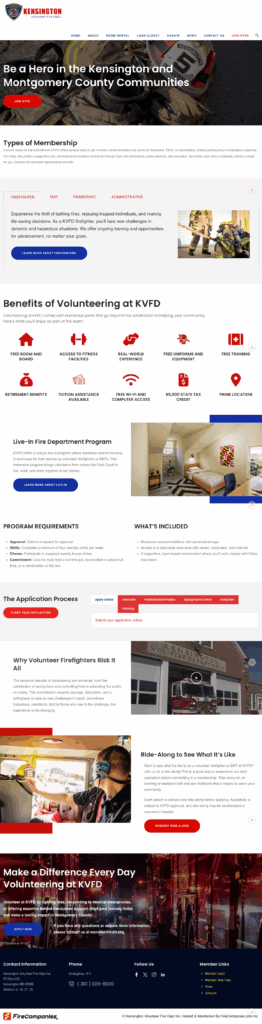
Practical next step: Include a “what to expect” page on your website and social channels that outlines the first three months. Keep it simple and honest.
What Works in First Responder Recruitment Marketing
When we asked which marketing efforts made the most impact, volunteers consistently named a few content types that felt personal and authentic.
Most effective content strategies included:
- Volunteer spotlights with names, photos, and personal stories
- Short-form videos showing real training days or shift recaps
- Consistent social media updates, not just calls for volunteers, but community engagement and from-the-scene updates
- Open house event coverage, especially with behind-the-scenes moments
Key insight: Recruits want to see what it’s like before they commit. Stock images and staged videos aren’t convincing. Real voices and real stories are.
Where to Expand Outreach
Current volunteers had clear recommendations on where to focus future recruitment efforts, and most of them involve going beyond your existing audience.
Top outreach opportunities:
- High schools and community colleges, especially EMT, nursing, or public safety programs
- Local gyms, coffee shops, breweries, and rec centers
- Career days, job fairs, and community festivals
- TikTok and Instagram Reels, with informal video content showing the experience of volunteering
- Community newsletters, websites, and localized email campaigns
Key insight: Recruitment happens everywhere, especially where people already spend time. Rather than casting a wide net, be intentional about showing up in the places where purpose-driven individuals are already looking for ways to contribute.
Related reading: Proven SEO Strategies to Overcome the Volunteer Recruitment Crisis in Emergency Services
What Recruits Wish They Knew Earlier
Getting someone to raise their hand is one thing. Keeping them involved is something else entirely. Volunteers shared what helped them stay and what they wish they’d had sooner.
Suggestions from current volunteers:
- A clear onboarding guide that explained timelines, expectations, and training
- A short “week-in-the-life” video showing different types of shifts and roles
- Peer mentorship from another volunteer in the first 90 days
- Transparent communication about schedules, call volume, and responsibilities
Key insight: Onboarding is just as important as recruitment. A strong first experience builds loyalty, confidence, and momentum, while a confusing one leads to ghosted applications or early burnout.
How Agency 102 Supports First Responder Volunteer Recruitment
We help Fire and EMS departments develop volunteer recruitment strategies that reflect the reality of your department and attract people who are ready to step in.
Our recruitment and retention marketing focuses on five critical areas:
1. Volunteer Fire Department Marketing
We design custom, local-first campaigns that showcase your people, your culture, and your impact.
2. First Responder Recruitment Strategy
We help you define and deliver the right message at the right time, online and in your community.
3. Local SEO for First Responders
We make sure people searching for “volunteer opportunities near me” or “firefighter training local” find your department first.
4. Marketing Analytics for Volunteer Recruitment
We track what’s working and where you’re losing interest, so you can adapt without wasting time or budget.
5. Onboarding Content and Internal Engagement
We build the content, communication, and structure that keep new volunteers engaged, informed, and motivated from day one.
Go Deeper: First Responder Marketing Services
Ready to Build Your Volunteer Pipeline?
Recruiting volunteers requires trust, transparency, and a strategy tailored to your unique community. If you’re ready to strengthen your team with the right people, we’re here to help you get there.
Let’s build a fire and EMS recruitment marketing strategy designed for today’s volunteers.